


Due to the U.S. and Israel’s bombing of Iran, oil prices temporarily shot up to $120 per barrel (WTI crude). If the Straits of Hormuz gets completely shut down, perhaps oil prices might go to $150+ a barrel. This would create a tremendous tax on consumers everywhere.
With yet another increase in a core living expense, survival has gotten even harder for all but the rich. Perhaps the world will be safer in the long run, but in the short run, simply keeping your head above water might be in order.
Meanwhile, if you are an investor, your stock portfolio may also be getting hit for who knows how long. Maybe the S&P 500 declines another 15%, just like it did in early April 2025 as the war spirals out of control. Or maybe we bounce around the 200-day moving average of 6,600 before moving higher again.
Corrections are always a good reminder about the importance of proper asset allocation. Personally, I bought the dip for my children, but that’s a topic for another post.
Now let’s talk about surviving elevated oil prices. Because perhaps it’s far easier than we think.
How I Plan To Survive Higher Oil Prices
My survival plan for higher oil prices is quite similar to my survival plan for higher food prices during the pandemic.
Calculate.
Reduce.
Substitute.
By calculating, reducing, and substituting, I was able to keep food costs relatively flat over two years while losing 10 pounds in the process. Never waste a difficult moment.
Calculating Cost For Rising Oil Prices
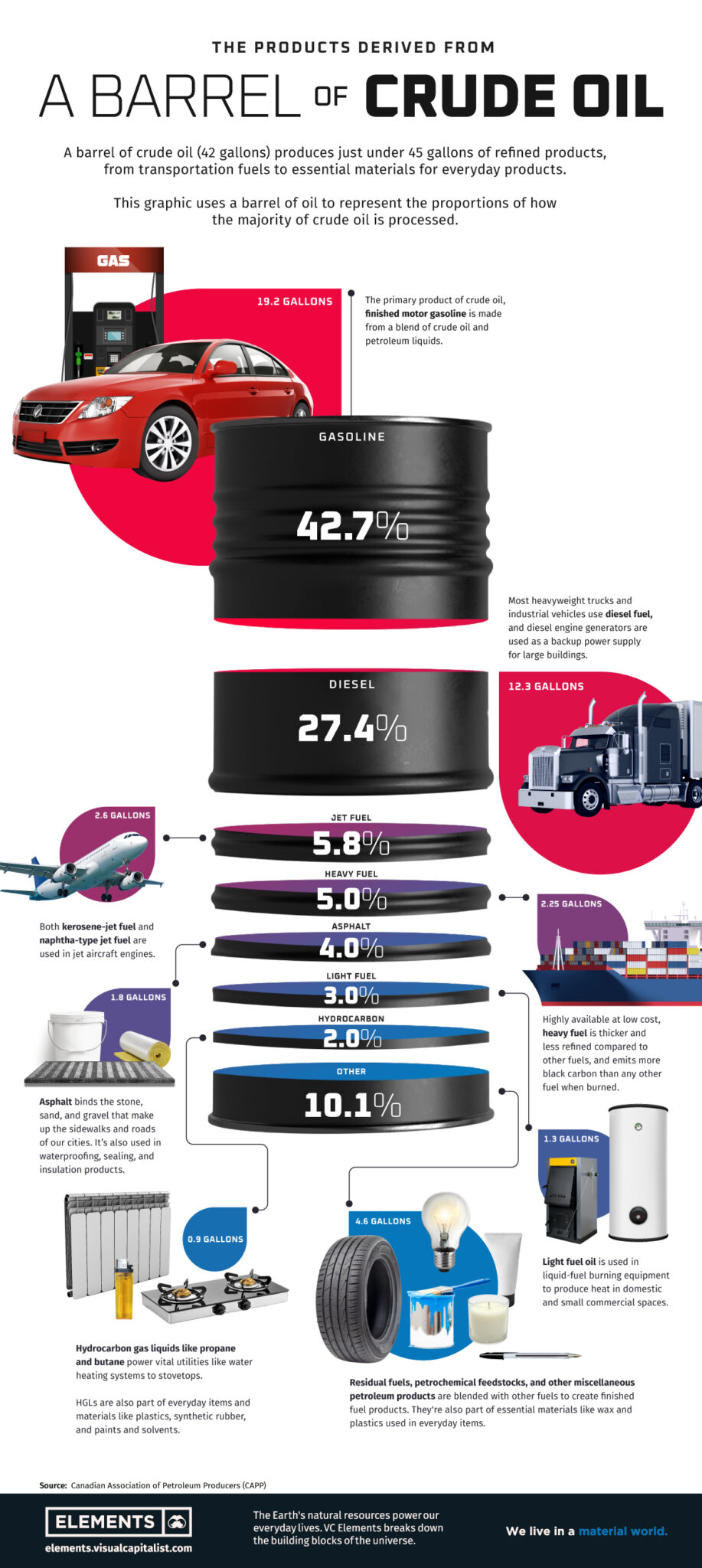
My first step is to calculate how much my oil consumption costs each month. Oil is an input cost for many things, but most directly, gasoline.
Here in San Francisco, the price for regular unleaded per gallon will likely rise to above $5 if oil stays above $100 per barrel. Therefore, filling my 27-gallon tank will cost about $135. Before the bombing of Iran, gas was closer to $4.50 per gallon for regular. Therefore, my cost increase is about $14 per visit.
I fill up my tank between three to four times a month, which means I will be paying up to $55 more per month in gas.
Thankfully, I already cut cable, which saves me $120 a month. That leaves me with a $65 monthly buffer, despite the gas price increase.
Reducing Consumption To Combat Cost
Let’s set aside my preemptive cost-cutting measure of eliminating cable. To counteract my $55 increase in monthly gas costs, the easiest solution is to simply drive about 15% less.
I only drive about 6,500 miles a year on average over the past decade, so there isn’t that much room to cut. However, every Sunday I drive 40 miles round-trip to a sports club to teach my kids swimming and tennis for several hours. It’s about 30 minutes each way, which is a bit of a chore. But spending 5–7 hours with my kids is also a blessing. We also get lunch and play in between as part of Daddy Day Camp.
However, during times of elevated gas prices, adjustments can be made. Driving 40 miles requires about 2.5 gallons of gas, or about $12.50 in cost. Therefore, I will eliminate one of the four weekly visits each month to save $12.50.
Not swimming is a bummer, but they’ll survive missing one week. There are plenty of other things to do and learn.
Substitute Expensive Activities For Cheaper Activities
With one less swimming session per month, I will substitute this activity by walking the kids to the nearby public playground and teaching them tennis and basketball instead. I’ve been wanting to work with them on their dribbling and shooting skills, now that they’re 6 and almost 9.
So what about the remaining $42.50 I need to save to offset my $55 higher monthly gas bill?
Well that’s easy. Each time I take my two kids to the sports club, I have to pay a $25.50 guest fee for each child. Therefore, by skipping one week and substituting activities, I save a total of $63.50.
Now I’m actually ahead by $8.50 a month. Sweet! The two kid-sized basketballs I purchased a month ago have been underutilized. So higher oil prices have helped me be less wasteful.
Other Cost-Cutting Measures Due To Higher Oil Prices
After getting the obvious cost-savings out of the way, it’s time to reduce consumption of the following items that may become more expensive due to higher oil prices:
- No flying anywhere until oil prices calm down
- Continue eating slightly less than average
- Open the windows when it’s hot and use a fan, while continuing to enjoy radiant heat
- Buy no plastic products, including toys, electronics, household goods, and synthetic clothes
- Skip fertilizing my plants for as long as it takes
I might as well institute a spending moratorium on discretionary items for 30 days, or until oil falls below $80 per barrel for 10 consecutive days, whichever comes later. All the savings will be funneled toward investing instead, as I treat investing as an expense.
Just Have To Withstand Higher Oil Prices Temporarily
A realistic worst-case scenario is oil stays above $100 and shoots to $150 for six months. In that case, my household will reduce consumption by 10-15% and look for substitutes during that time period.
A realistic best-case scenario is oil prices normalize to $80 or less in under a month, in which case we won’t feel any different. After eating 10% less for at least a year, it actually felt great to lose weight and look fitter. I suspect driving and consuming less will make us feel better as well, much like a digital detox with our phones.
Overall, I estimate that oil increasing by 50% would raise our monthly household expenses by about $100 – roughly $55 for gas and $45 for everything else.
We are relatively frugal, as minimalism and early retirement go well together. As a result, we should be able to withstand these higher expenses fairly easily. After 16 years of living the FIRE lifestyle, saving money has almost become an enjoyable game.
The far bigger issue is seeing our investment portfolios get hit, since they are core to generating enough passive income to remain unemployed and free. That said, I’ve been through plenty of corrections since I started investing 1996, and always try to take advantage with my spare cash.
This time is no different.
I’m curious whether you’ve calculated how much higher oil prices will increase your household expenses and what you’ll do to counteract it. Do you think rising oil prices are a big deal?
Track Your Finances So You Can Adapt To Rising Costs
One of the best ways to deal with rising costs is to understand your finances inside and out. When you know your net worth, asset allocation, income generation, and investment returns, it becomes much easier to adjust spending without feeling stressed.
Track your expenses with Empower’s free financial tools. Once you connect your accounts, you can track your net worth, monitor your portfolio allocation, and better understand your cash flow. The more clarity you have, the easier it is to make smart adjustments when the economy changes.
I recently went to the post office to send out a dozen signed copies of my USA Today bestseller, Millionaire Milestones. If you’re interested in participating in the promotion, you can read about my experience and the instructions in this post.
Get my posts in your inbox as soon as they are published by signing up here. Then subscribe to my free weekly newsletter here. I’ve been writing about helping readers achieve financial freedom since 2009.
Read the full article here